If you have scrolled through TikTok or Instagram lately, you have already watched thousands of videos made by UGC creators without realizing it. The person holding a skincare bottle up to the camera, talking casually about how it cleared their skin? That is often not a customer and not a traditional influencer — it is a paid content creator following a brand brief.
A UGC creator is someone who makes authentic, brand-commissioned content — photos and videos that look like a real customer made them — and hands it to the brand to use in its own ads and social feeds. The key difference from an influencer: a UGC creator does not need an audience. They are paid for the content itself, not for who sees it on their profile.
That single distinction has opened one of the most accessible corners of the creator economy. You do not need a following or a viral hit — just a phone, a niche, and the ability to make something feel real. This guide breaks down what UGC is, how it differs from influencing, what brands pay for, and how to become a UGC creator from scratch.
Table of Contents
- What Is a UGC Creator?
- UGC Creator vs Influencer
- Why Brands Pay for UGC
- What UGC Content Actually Looks Like
- How Much Do UGC Creators Make?
- How to Become a UGC Creator
- How AI Speeds Up UGC Production
- Your Getting-Started Checklist
<a id="what-is-a-ugc-creator"></a>
What Is a UGC Creator?
User-generated content, or UGC, originally meant anything customers made on their own — a review, a tweet, a photo tagging a brand. Over the last few years the term shifted. Today, "UGC" in a marketing context usually means content that is made to look like an organic customer post but is actually commissioned and paid for. A UGC creator is the person who produces it.
Here is the one-sentence version: a UGC creator makes authentic, brand-commissioned content and delivers it to the brand, which then posts or advertises with it — a content supplier, not a media channel.
The core of the job
A brand sends a brief — the product, the talking points, the vibe, the format. The creator films themselves using, unboxing, reviewing, or demonstrating that product in a natural, unpolished style. They edit it, add captions, and send the finished file over. The brand owns the footage and runs it as a paid ad, a TikTok, a Reel, or a product-page video.
Notice what is missing: the creator never has to post it, grow a following, or reveal a follower count in a pitch. The deliverable is a video file, not a post.
Who becomes a UGC creator
Because the barrier is skill rather than reach, UGC attracts a wide range of people — parents, students, actors, marketers, and anyone comfortable talking to a camera. The most successful ones are not the most charismatic; they are the ones who can make a 30-second clip feel like a genuine recommendation from a friend.
<a id="ugc-creator-vs-influencer"></a>
UGC Creator vs Influencer
This is the question that trips up almost everyone new to the space, so let us make it concrete. The two roles look similar on camera but sell completely different things.
| UGC Creator | Influencer | |
|---|---|---|
| What they sell | The content file | Access to their audience |
| Followers needed | None | Yes — that is the product |
| Where content lives | The brand's accounts and ads | The creator's own profile |
| Paid for | Deliverables (per video) | Reach, posts, and engagement |
| Disclosure | Brand runs it as its own ad | Creator discloses a paid partnership |
The simplest way to hold the difference in your head: an influencer is paid to post; a UGC creator is paid to produce. An influencer sells distribution — their followers are the asset. A UGC creator sells the raw material — the video is the asset, and what the brand does with it afterward is the brand's business.
Can you be both?
Yes, and many creators blend the two. You might sell UGC videos while also growing your own TikTok. But keeping them separate is a feature: a beginner with 40 followers can charge the same for a great video as someone with 40,000, because follower count is not part of the transaction.
<a id="why-brands-pay-for-ugc"></a>
Why Brands Pay for UGC
Brands are not commissioning UGC out of charity — it consistently outperforms polished studio content on the metrics they care about. Understanding why helps you make content they will actually pay for.
It reads as authentic
Modern audiences are fluent in advertising. A glossy, over-produced spot signals "ad" instantly, and viewers tune it out. A slightly shaky phone video of a real-seeming person talking about a product feels like a recommendation, not a pitch. That authenticity is exactly what converts scrollers into buyers, and it is very hard to fake with a traditional ad agency.
It is cheap and fast to test
A brand can commission ten UGC videos for the price of one studio shoot, run them all as ads, and keep the winners. UGC turns advertising into a volume game — more variations, more angles, more chances to find the hook that clicks. Creators who turn around clean videos quickly become the ones brands rebook.
It is built for paid social
UGC is native to the feed. It is shot vertical, it opens with a hook in the first second, and it matches the organic content around it. Platforms reward that native feel with cheaper ad delivery, so brands get more reach per dollar. If you want to see how this plays out for a single product, our guide on how to make a product video with AI walks through the exact format brands ask for.
<a id="what-ugc-content-looks-like"></a>
What UGC Content Actually Looks Like
UGC is a style, not a single format. Most briefs fall into a handful of recognizable video types, and knowing them tells you exactly what to film for your portfolio.
Unboxings
The creator opens the package on camera, reacts, and reveals the product. Unboxings tap into anticipation and work especially well for subscription boxes, beauty, and gifting. The emotion — genuine surprise or delight — is the whole point.
Testimonials
A talking-head clip where the creator explains a problem the product solved. "I struggled with X for years, then I tried this." Testimonials are the workhorse of UGC because they map directly onto how people actually decide to buy.
Product demos
Step-by-step footage showing the product in use — how the serum absorbs, how the app works, how the blender crushes ice. Demos answer the practical "but does it actually work?" objection and are gold for anything with a functional benefit.
Ad-style scripted videos
A tighter, hook-driven format written to be run as a paid ad. It opens with a scroll-stopper ("Stop buying X until you watch this"), delivers three quick benefits, and closes with a call to action. These are the most valuable to brands because they are ready to spend money behind.
Most creators build a portfolio that shows one of each. If you want a structured approach to assembling those samples, we cover it in detail in how to build a UGC portfolio.
<a id="how-much-do-ugc-creators-make"></a>
How Much Do UGC Creators Make?
Let us be honest up front: income in UGC varies widely, and anyone promising a fixed figure is guessing. What follows are general ranges, not guarantees — your rate depends on your niche, video quality, speed, and how much a brand values your work.
Typical starting rates
Beginners with a fresh portfolio often price a single video somewhere in the range of $75 to $150. At this stage you are trading a lower rate for reviews, testimonials, and repeat clients. Some creators start even lower to land their first three or four bookings, then raise prices once they can point to real results.
Experienced and specialist rates
Once you have a track record, a recognizable niche, and brands rebooking you, per-video rates commonly climb into the several-hundred-dollar range and beyond. Creators who specialize in a lucrative vertical — finance, skincare, tech — or who consistently produce ads that perform tend to sit at the top of the range.
The pricing multipliers that matter
The base video rate is only part of the picture. Brands often pay extra for:
- Usage rights — permission to run the video as a paid ad for a set period, which can multiply the base fee.
- Exclusivity — agreeing not to work with competing brands.
- Whitelisting — letting the brand run ads through your handle.
- Raw footage and extra edits — additional cuts, aspect ratios, or hooks from the same shoot.
A creator who charges $120 for a video but adds usage rights and two extra edits can easily turn a single booking into a multiple of the base rate. Learning to price these add-ons is often what separates a hobby from a real income.
<a id="how-to-become-a-ugc-creator"></a>
How to Become a UGC Creator
Here is the practical part. You can go from zero to a portfolio you can pitch in a single focused week. Follow these steps in order.
1. Pick a niche
Do not try to be a creator for everyone. Choose one or two lanes you genuinely understand — skincare, home organization, pet products, fitness, apps. A niche makes your samples feel credible, makes you easier to remember, and helps brands in that space find you. It also means you can reuse props, lighting setups, and talking points across shoots.
2. Build sample content
Brands buy from what they can see. Film three to five spec videos using products you already own: one unboxing, one testimonial, and one demo at minimum. Treat these exactly like a paid brief — vertical, well-lit, hook in the first second, captions on screen. These samples are your resume; no client cares that they were unpaid.
3. Set your rates
Pick a starting price you are comfortable saying out loud — many beginners land around $75 to $150 per video — and decide what your add-ons (usage rights, extra edits) will cost. Write it down so you never negotiate against yourself on the spot. You can and should raise prices after your first handful of happy clients.
4. Do outreach
This is where most people stall, so keep it simple. Make a short list of small and mid-size brands in your niche — the ones already running UGC-style ads are ideal because they have proven budget. Email or DM them a two-line pitch: who you are, what you make, and a link to your samples. Send a steady batch every day rather than a giant blast once. Volume and consistency win here.
5. Deliver like a pro
When you land a booking, over-communicate and hit the deadline. Read the brief twice, film more than they asked for, deliver clean files in the formats they need, and welcome one round of revisions graciously. The first great delivery is what turns a one-off client into a monthly retainer — and retainers are where UGC income becomes stable.
<a id="how-ai-speeds-up-ugc"></a>
How AI Speeds Up UGC Production
The biggest bottleneck in UGC is not creativity — it is production time. Filming, reshooting, editing, and captioning every single video eats hours. AI tools have quietly removed a huge chunk of that friction, which is why so many creators now use them to scale output.
AI avatars and presenters
Instead of setting up lights and filming yourself for every variation, AI avatars can present your script as a realistic on-camera creator. This is invaluable when a brand wants ten hook variations of the same testimonial — you generate them in minutes rather than reshooting all day. It also lets you offer content in a face or voice that fits a brand even when it is not your own.
Scripting and hooks
Writing a scroll-stopping opening line for every video is its own skill. AI can draft a dozen hook options, structure a testimonial around a problem-solution arc, and rewrite a script for a different platform in seconds. You stay the editor and taste-maker; the AI removes the blank-page tax.
Editing and captions
Auto-captioning, trimming dead air, resizing to vertical, and adding B-roll used to be the slowest part of delivery. AI editing handles most of it automatically, so you spend your time on the creative call, not the timeline.
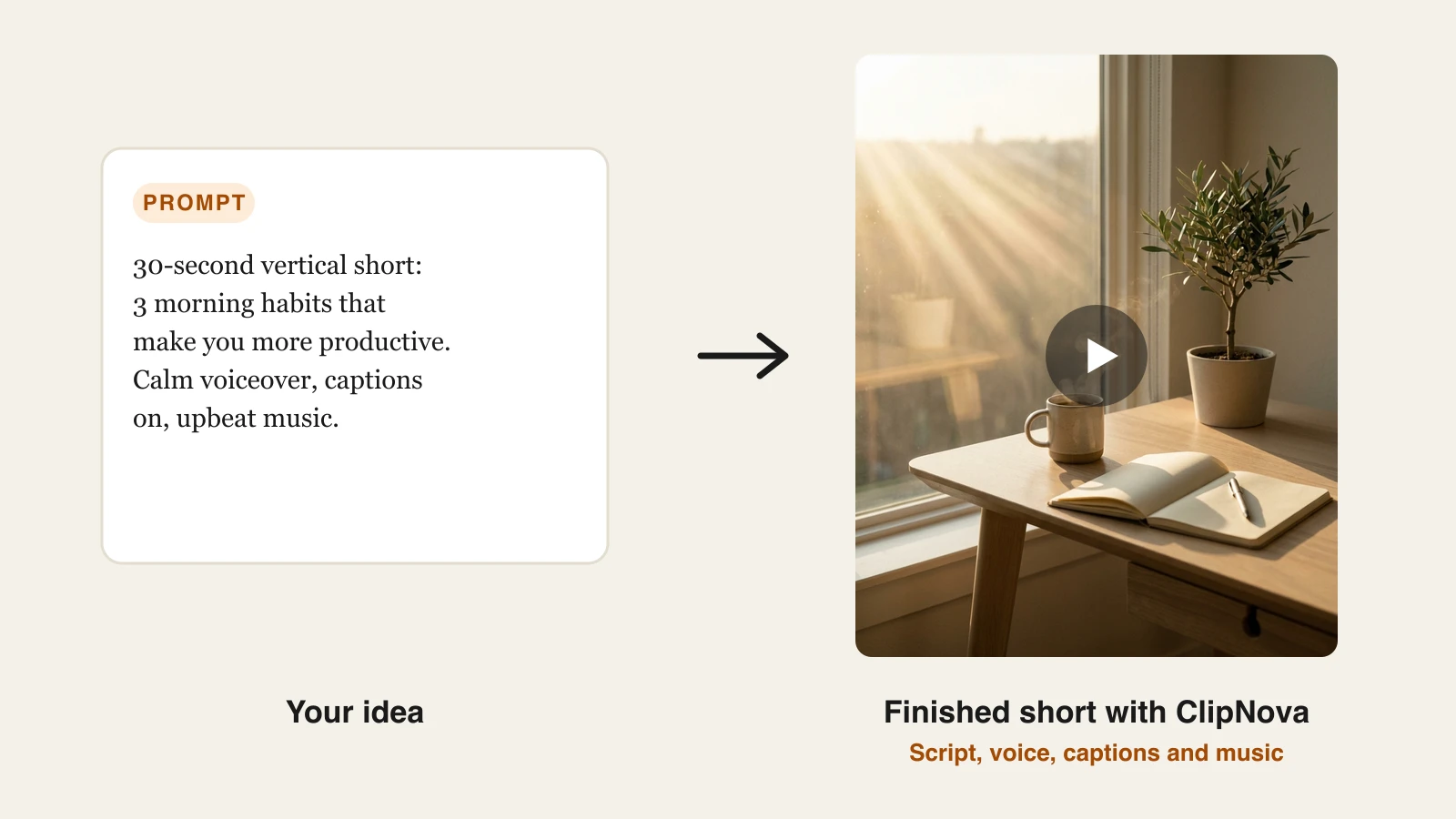
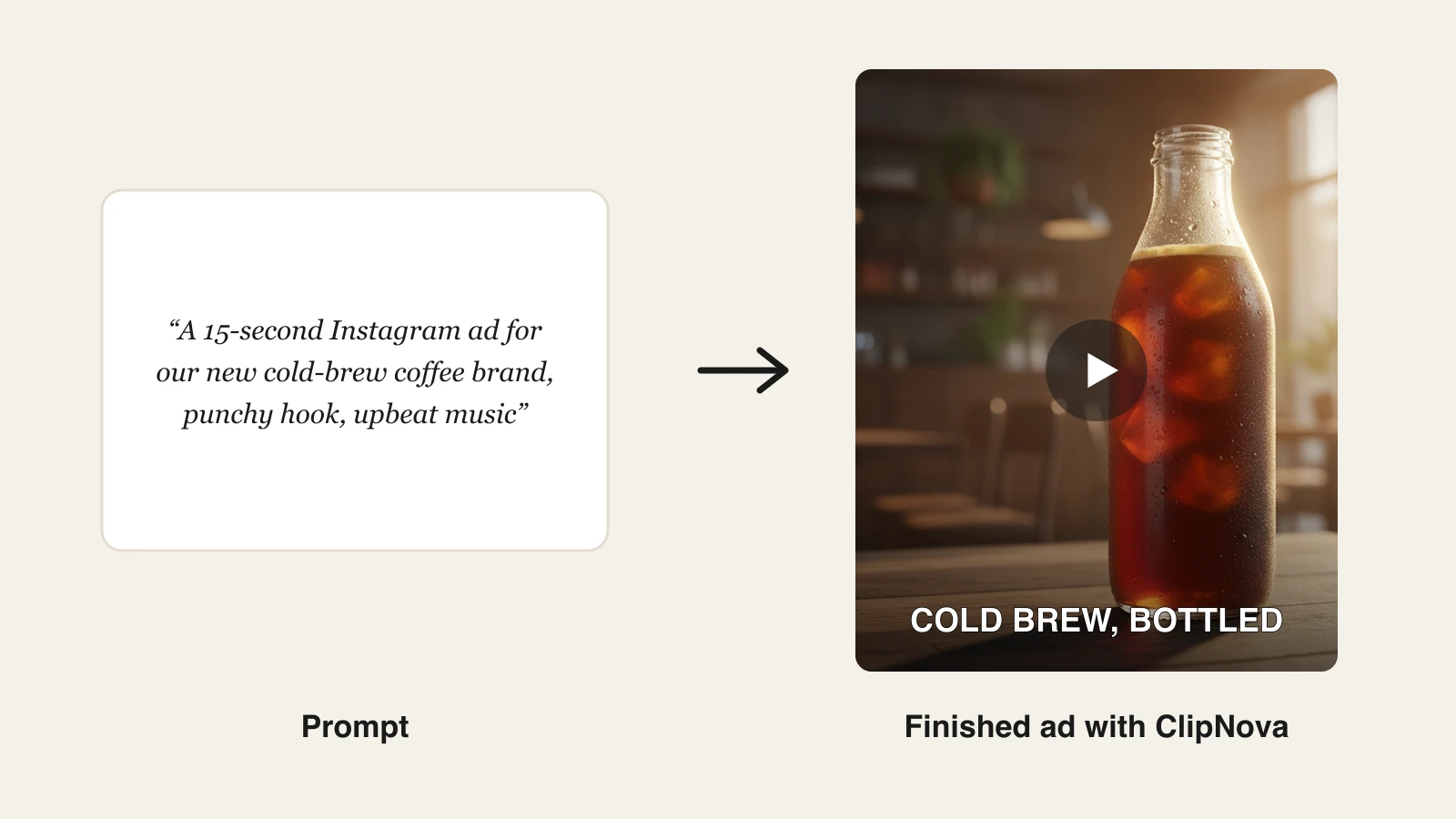
ClipNova's AI UGC Generator pulls these pieces into one workflow — you bring a product and a script, and it produces polished, creator-style videos with an avatar, voiceover, and captions ready to hand to a brand. It is a genuine shortcut for filling out a portfolio before you have a single client, or for scaling deliverables once the bookings roll in.
<a id="getting-started-checklist"></a>
Your Getting-Started Checklist
If you want the whole guide compressed into a to-do list, here it is:
- Choose one niche you understand and can film consistently.
- Film three to five sample videos — unboxing, testimonial, demo — treated like real briefs.
- Set a starting rate plus add-on pricing for usage rights and extra edits.
- Build a simple portfolio page or folder you can link in a pitch.
- Pitch ten brands a day in your niche, prioritizing ones already running UGC ads.
- Use AI to speed up scripting, avatars, and editing so you can produce more variations, faster.
- Deliver early, over-communicate, and aim for the rebook on every job.
A UGC creator is not a mystery role reserved for people with huge followings — it is a content skill you can build in a week and grow for years. The market rewards people who can make something feel real and turn it around fast, and that is entirely learnable.
Ready to make your first creator-style videos without a camera crew? Try ClipNova's AI UGC Generator — plans start at $19/mo, and it is the fastest way to build a portfolio and start pitching brands today.
Want to try it? ClipNova's AI UGC video generator is included on every plan, from $19/mo.
Frequently asked
What does UGC stand for?
UGC stands for user-generated content — photos, videos, and reviews created by everyday people rather than a brand's in-house marketing team. A UGC creator is someone who produces this content on commission for brands to use in their own ads and social channels.
How much do UGC creators make?
Earnings vary widely. Many beginners charge roughly $75-$150 per video while they build a portfolio, and experienced creators with a strong track record often command several hundred dollars or more per deliverable. Income depends on your niche, video quality, turnaround time, and whether brands buy usage or ad rights on top of the base rate.
Do you need followers to be a UGC creator?
No. Unlike influencers, UGC creators are not paid for their audience or reach — they are paid to produce content the brand posts on its own accounts. You can start with zero followers as long as you can shoot clear, authentic, on-brief videos.
What is the difference between a UGC creator and an influencer?
An influencer is paid to post to their own audience and drive reach. A UGC creator is paid to hand over content the brand uses itself. Influencers sell distribution; UGC creators sell content. That is why UGC creators do not need a following to get hired.
How do I start as a UGC creator?
Pick a niche, film three to five sample videos (an unboxing, a testimonial, and a demo), set a starting rate, and pitch small brands directly by email or DM with your samples attached. Tools like ClipNova's AI UGC Generator help you produce polished creator-style videos fast, even before you land your first paid client.